Creating a home workspace that is both cozy and productive can make a significant difference in how you work and feel throughout the day. Whether you’re working remotely full-time or occasionally need a spot for focused tasks, having a dedicated area that inspires comfort and efficiency is key. This guide shares practical tips to help you design a space that supports your work while making you feel relaxed and motivated.
Why a Cozy and Productive Workspace Matters
When your work area feels inviting, you’re more likely to enjoy the time you spend there. Comfort reduces distractions caused by physical discomfort, while an organized, well-thought-out setup helps you stay focused and efficient. Balancing these qualities encourages a healthier work routine and can improve the quality of your output.
1. Choose the Right Location
Start by selecting a quiet spot in your home where you can limit interruptions. Ideally, this space should get good natural light and adequate ventilation. If possible, choose a room with a door you can close to create separation between work and personal life.
– Avoid busy areas like the kitchen or living room if noise is a problem.
– Near a window is best for natural daylight, which helps reduce eye strain and boosts mood.
– Consider a corner or nook if space is limited.
2. Invest in Comfortable Furniture
Your furniture is the foundation of a cozy and productive workspace. Select a desk and chair that support good posture and suit your work habits.
– Opt for an ergonomic chair with adjustable height and lumbar support.
– A desk with enough surface area for your computer, notebooks, and any other essentials prevents clutter.
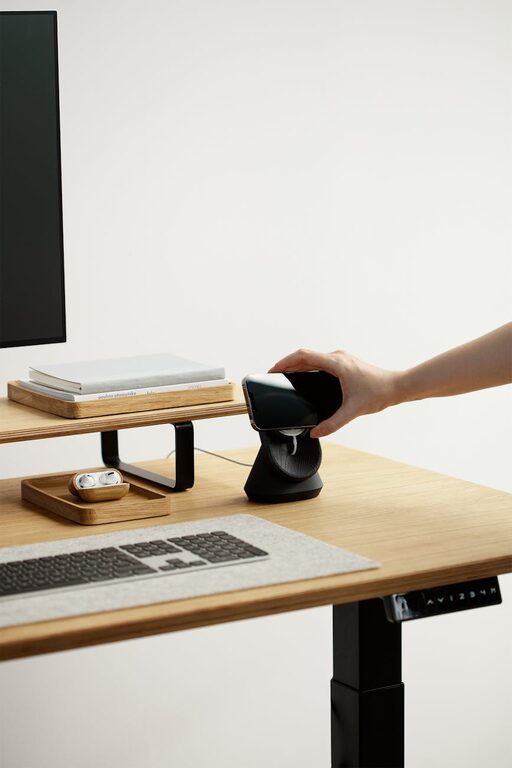
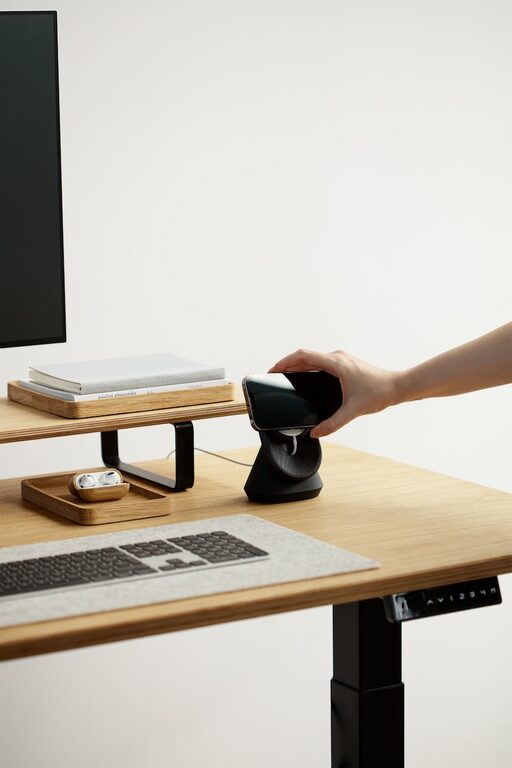
– Standing desks or adjustable desks can add flexibility and comfort during long work sessions.
3. Use Effective Lighting
Lighting plays a crucial role in focus and energy levels. Combine natural and artificial light sources to brighten your workspace comfortably.
– Position your desk near a window but avoid glare on your screen.
– Use a desk lamp with adjustable brightness for focused tasks.
– Choose warm, soft light bulbs to create a cozy ambiance without harshness.
4. Personalize Your Space
Adding personal touches can make your workspace feel welcoming and uniquely yours.
– Decorate with plants to improve air quality and add a calming natural element.
– Hang artwork or photos that inspire you.
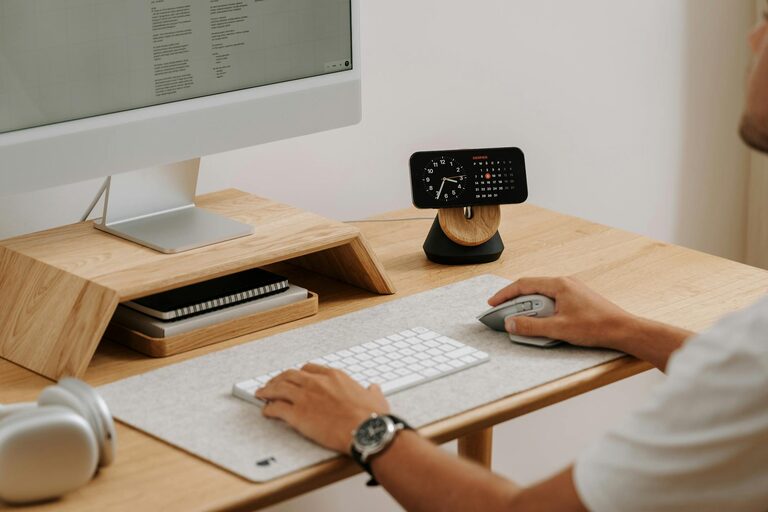
– Use colorful or patterned accessories like cushions, rugs, or desk organizers to add warmth.
5. Keep It Organized
Clutter can hamper both comfort and productivity. Developing simple organization habits keeps your area tidy.
– Use storage solutions like shelves, drawers, and boxes to keep supplies within reach but out of sight.
– Regularly clear your desk of unnecessary items.
– Label files and use digital folders to manage documents efficiently.
6. Limit Distractions
Minimizing distractions helps maintain focus and work output.
– Use noise-canceling headphones or white noise machines if background sounds are a problem.
– Turn off non-essential notifications on your computer and phone during work time.
– Communicate your working hours to household members to reduce interruptions.
7. Incorporate Movement Breaks
Sitting for long periods can affect comfort and health. Design your workspace to encourage movement.
– Place your printer or other frequently used items a little farther away to motivate standing or stretching.
– Use a timer or app to remind you to take short breaks every hour.
– Consider a yoga mat or space nearby for quick stretches.
8. Use Technology Wisely
Make sure your technology setup supports your work without adding frustration.
– Invest in a reliable internet connection and good-quality peripherals like keyboard and mouse.
– Arrange cables neatly with clips or ties to prevent tangling.
– Explore apps that boost focus, minimize distractions, or organize your workflow.
9. Maintain a Routine
Your workspace is most effective when paired with a consistent daily routine.
– Start each day by preparing your workstation, such as tidying your desk or reviewing your to-do list.
– Set clear work hours and include breaks to prevent burnout.
– End your day by reviewing accomplishments and planning the next day, then clear your desk to relax.
Conclusion
Creating a cozy and productive home workspace doesn’t require a complete home office makeover. By choosing the right location, investing in comfortable furniture, personalizing your area, and staying organized, you set the stage for focus and comfort. Small changes in lighting, minimizing distractions, and incorporating movement can make your workday more pleasant and efficient. With these tips, you’ll enjoy your home workspace as a place that supports success and well-being every day.
About the Author