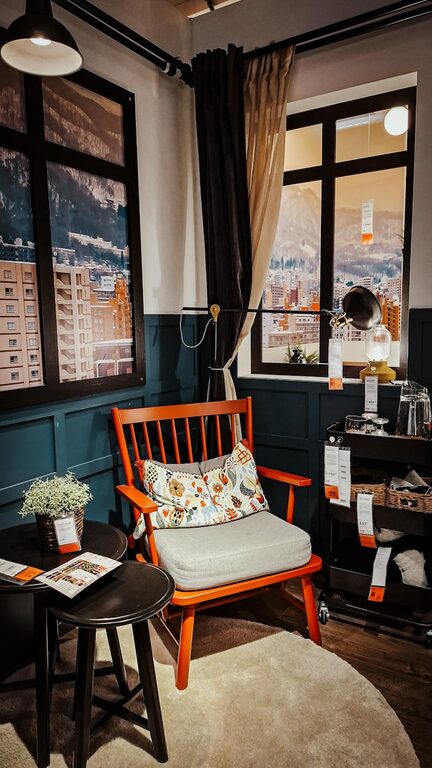
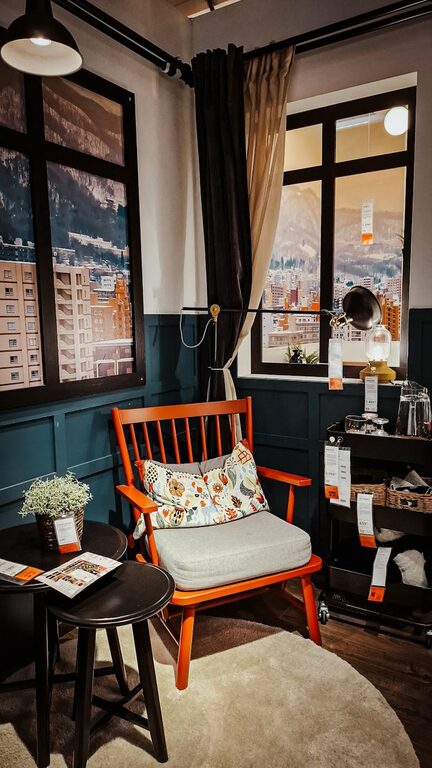
Creating a cozy and inviting home environment is something many of us aspire to achieve. A space that feels warm and welcoming can be a refuge from busy days and a perfect place to relax or entertain friends and family. The good news is that you don’t need to spend a fortune or undergo major renovations to create this kind of atmosphere. With some thoughtful choices and small changes, you can turn your home into a cozy haven.
In this blog post, we’ll explore practical tips to help you design a home environment that invites comfort and ease.
Understanding What Makes a Home Cozy
Before jumping into decorating or purchasing items, it helps to think about what “cozy” means to you. For some, it might mean soft textures and warm lighting; for others, an uncluttered space with natural elements. Generally, a cozy home feels personal, comfortable, and calming.
Key qualities often include:
– Warm colors and textures
– Comfortable furniture
– Good lighting
– Personal touches and meaningful decor
– A sense of balance and organization
With this in mind, let’s look at how you can bring these elements together.
1. Use Warm and Soothing Colors
Color sets the mood of a space instantly. To create a cozy feel, opt for warm and soothing tones. These can include earthy neutrals like beige, taupe, soft browns, or muted shades of yellow and orange. Deep hues such as terracotta or warm grey can also feel inviting when balanced with lighter colors.
Tips for Using Color:
– Paint one wall in a warm accent color to bring warmth without overwhelming the room.
– Use colored pillows, throws, or rugs to introduce cozy color accents.
– Avoid overly bright or cold colors as the main palette in cozy spaces.
2. Layer Soft Textures
Textures naturally make a space feel more tactile and comfortable. Incorporate layers of soft materials throughout your home to enhance the cozy vibe.
Ideas for Adding Texture:
– Add plush cushions and throws to sofas and chairs.
– Use rugs made from wool, faux fur, or soft cotton to add warmth underfoot.
– Choose curtains or drapes made from heavier fabrics to block drafts and add softness.
– Mix textures like wood, fabric, and ceramics for depth and interest.
3. Focus on Comfortable Furniture
The furniture you choose plays a big role in comfort. Prioritize pieces that feel inviting and encourage relaxation.
Furniture Tips:
– Select sofas and chairs with deep seats and soft cushions.
– Position seating to encourage conversation and connection.
– Include a cozy reading nook with a comfortable armchair and good lighting.
– Consider multi-purpose furniture like ottomans or benches that also provide storage.
4. Optimize Lighting for Warmth
Lighting creates atmosphere. Bright, harsh lighting can feel cold, while soft, warm lighting promotes relaxation.
Lighting Strategies:
– Use lamps with warm white bulbs rather than cool white.
– Layer your lighting with a mix of overhead lights, lamps, and candles.
– Incorporate dimmer switches to control brightness.
– Take advantage of natural light during the day with sheer curtains that soften the sunlight.
5. Declutter and Organize Thoughtfully
An organized space often feels more calming and inviting. Clutter can create stress and detract from a cozy environment.
Decluttering Tips:
– Regularly review and donate or store items you no longer use.
– Use baskets and boxes to keep items tidy but accessible.
– Keep surfaces like coffee tables and countertops clean and minimal.
– Designate specific spots for everyday things like keys and mail.
6. Add Personal and Meaningful Touches
Personal items add character and warmth to your home. They tell a story about who you are and make a space feel truly yours.
Ways to Personalize Your Home:
– Display family photos or memories in attractive frames.
– Showcase artwork or crafts you love.
– Arrange books, plants, or souvenirs that bring joy.
– Incorporate items related to your hobbies or interests.
7. Bring in Natural Elements
Nature has a calming effect and can enhance your home’s inviting atmosphere.
How to Include Nature:
– Add indoor plants to purify the air and add life to a room.
– Use natural materials like wood, stone, or wicker in furniture and decor.
– Consider fresh flowers or branches to brighten spaces.
– Use scents inspired by nature like lavender, cedar, or vanilla through candles or diffusers.
8. Create Cozy Zones
Design your space so there are distinct areas dedicated to relaxation or socializing. This makes your home feel thoughtfully arranged and comfortable for different activities.
Ideas for Cozy Zones:
– A quiet reading corner with a comfy chair and blanket.
– A gathering area around a fireplace or coffee table.
– A meditation or yoga space with soft mats and calming decor.
– A window seat or nook where you can enjoy natural light.
Final Thoughts
Creating a cozy and inviting home doesn’t mean following strict design rules or having a large budget. It’s about making a space where you feel comfortable, relaxed, and happy to spend time. By using warm colors, soft textures, good lighting, and personal touches, you can transform your home into a welcoming retreat.
Remember, it’s your home — so infuse it with what feels comforting and meaningful to you. Small changes can bring big results, so start with one or two tips and enjoy the process of creating your cozy environment.
Happy decorating!
About the Author