Creating a relaxing home workspace is essential for maintaining productivity and well-being, especially if you spend long hours working from home. A thoughtfully designed and peaceful environment can help you stay focused, reduce stress, and promote a healthy work-life balance. In this post, we’ll explore practical tips to help you create a workspace that supports both your efficiency and your mental wellness.
Why a Relaxing Workspace Matters
Your home office is not just a place to get work done; it’s where your mind should feel calm and ready to focus. Distractions, clutter, uncomfortable furniture, or poor lighting can make it harder to concentrate and increase fatigue. Conversely, a calming and organized workspace invites motivation and creativity, helping you perform your best while keeping stress levels low.
Choose the Right Location
Find a Dedicated Space
Select a specific area in your home solely for work tasks. This can be a spare room, a quiet corner in the living room, or even a section of your bedroom. Having a dedicated workspace helps your brain separate work from relaxation time, improving focus during work hours and enabling you to unwind afterward.
Consider Natural Light
Position your desk near a window if possible. Natural light boosts mood and reduces eye strain, making your workday more pleasant. If natural light is limited, invest in good-quality artificial lighting that mimics daylight to maintain energy and alertness.
Invest in Comfortable and Functional Furniture
Ergonomic Chair and Desk
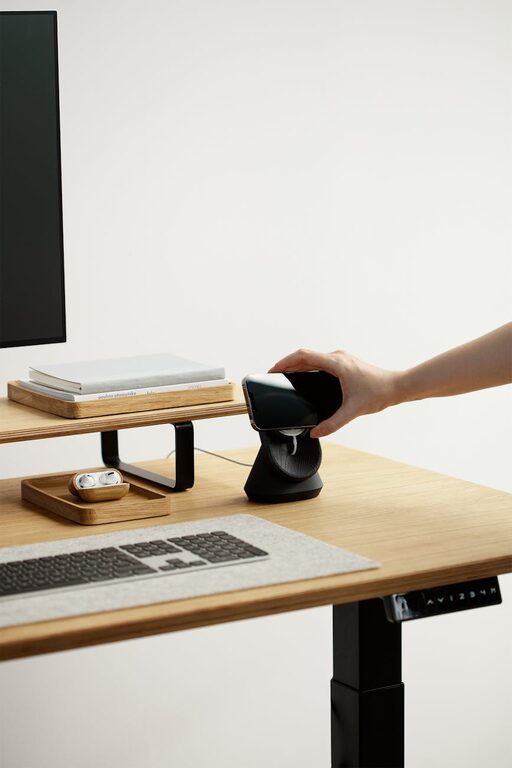
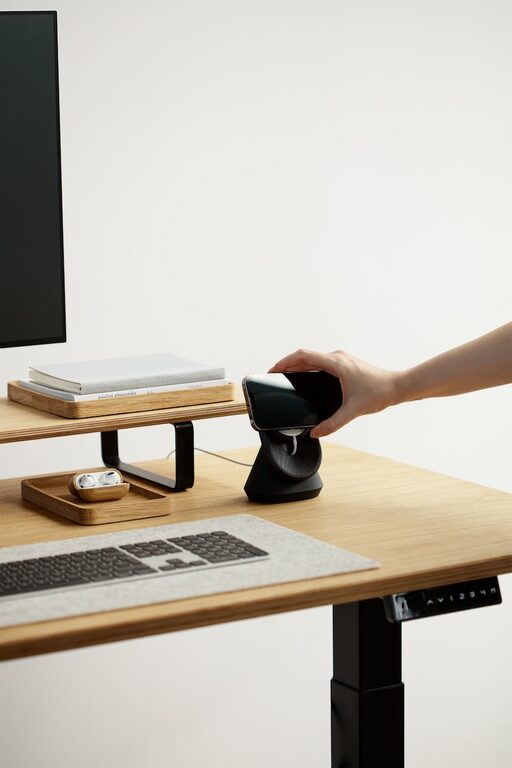
Comfort is key for productivity and health. Choose an ergonomic chair that supports your back and promotes good posture. An adjustable desk or desk setup allows you to customize the height for sitting or standing, which can reduce physical strain.
Keep Your Workspace Clutter-Free
Clutter can be distracting and increase stress. Use functional storage solutions like shelves, drawers, or desk organizers to keep essential items within reach but out of sight when not in use. Regularly declutter your workspace to maintain a serene environment.
Personalize with Calming Elements
Add Plants
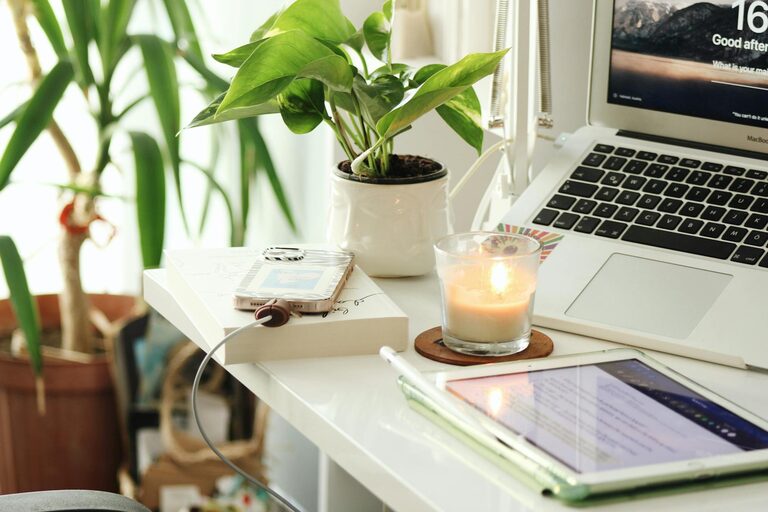
Indoor plants not only improve air quality but also create a calming atmosphere. Easy-care plants like succulents or pothos bring a touch of nature to your workspace and help reduce stress.
Use Soothing Colors
Choose soft, neutral, or pastel colors for your walls and decor. Shades like light blue, green, or beige promote relaxation and focus without overwhelming your senses.
Incorporate Personal Touches
Display a few meaningful items like a photo, artwork, or a favorite mug. Personal touches can create a cozy, inviting space while keeping distractions minimal.
Manage Noise and Distractions
Find Quiet or Use White Noise
Try to work in a quiet area of your home. If background noises are unavoidable, consider using noise-canceling headphones or playing white noise or nature sounds to help maintain concentration.
Limit Interruptions
Set clear boundaries with family members or housemates about your work hours and space. Inform them when you need uninterrupted focus, and establish a signal like a closed door as a “do not disturb” sign.
Prioritize Organization and Planning
Keep a Planner or Digital Calendar
Organize your tasks and appointments to reduce mental clutter. A planner or scheduling app helps you stay on track and manage your workload efficiently.
Use Cable Management
Tangled cables can create visual chaos. Use clips, sleeves, or cable boxes to keep cords neat and tidy, contributing to a cleaner and more relaxing workspace.
Optimize Technology Setup
Invest in Reliable Equipment
A fast computer, good internet connection, and quality peripherals like keyboard, mouse, and monitor reduce frustrations and technical disruptions, helping you stay focused.
Position Screens Properly
Place monitors at eye level and about an arm’s length away to reduce neck and eye strain. If possible, use dual monitors for enhanced productivity without clutter.
Incorporate Break and Movement Spaces
Take Regular Breaks
Schedule short breaks to stretch, walk, or practice deep breathing. Movement breaks improve circulation and reduce fatigue, keeping your mind sharp.
Create a Relaxation Corner
If space allows, add a small area with a comfortable chair or cushion where you can briefly relax or meditate during breaks.
Keep Air Quality Fresh
Ventilate Your Workspace
Open windows regularly to allow fresh air in. Good air quality supports brain function and helps prevent drowsiness.
Use Essential Oils or Air Purifiers
Consider diffusing calming scents like lavender or eucalyptus. An air purifier can also help reduce allergens and keep the environment pleasant.
Final Thoughts
Designing a relaxing home workspace is about creating a space that feels both functional and peaceful. By choosing the right location, adding comfortable furniture, incorporating soothing elements, managing distractions, and organizing effectively, you can boost your productivity and support your well-being. A workspace tailored to your needs will help you tackle your tasks with focus and energy while maintaining a balanced and healthy mindset.
Start small with a few of these tips, and gradually build a workspace that truly feels like your own calm corner of productivity.
About the Author