Creating a home workspace that is both cozy and functional can make a significant difference in your daily productivity and overall comfort. Whether you work remotely, study from home, or simply need a dedicated area for tasks, designing the right space is key. This guide offers practical tips to help you transform any corner of your home into an inviting and efficient workspace.
Why a Cozy and Functional Workspace Matters
A workspace that feels comfortable encourages focus and reduces stress, while functionality ensures you can complete tasks efficiently. Balancing these two elements supports better work habits and makes spending long hours at your desk more enjoyable.
Choosing the Right Location
Find a Quiet Spot
Selecting an area with minimal distractions helps you concentrate. It could be a spare room, a nook in the living room, or even a section of your bedroom. Consider the noise level and foot traffic when making your choice.
Natural Light is a Bonus
Position your desk near a window if possible. Natural light boosts mood and alertness. If natural light is limited, invest in good-quality lighting that mimics daylight.
Furniture Selection for Comfort and Utility
Invest in a Good Chair
Since you’ll spend hours seated, a supportive chair is essential. Look for one with adjustable height and lumbar support to maintain good posture.
Choose a Desk that Fits Your Needs
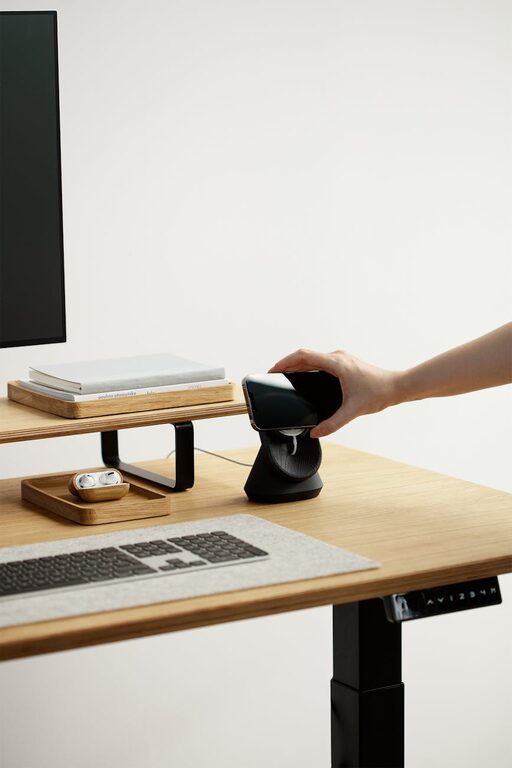
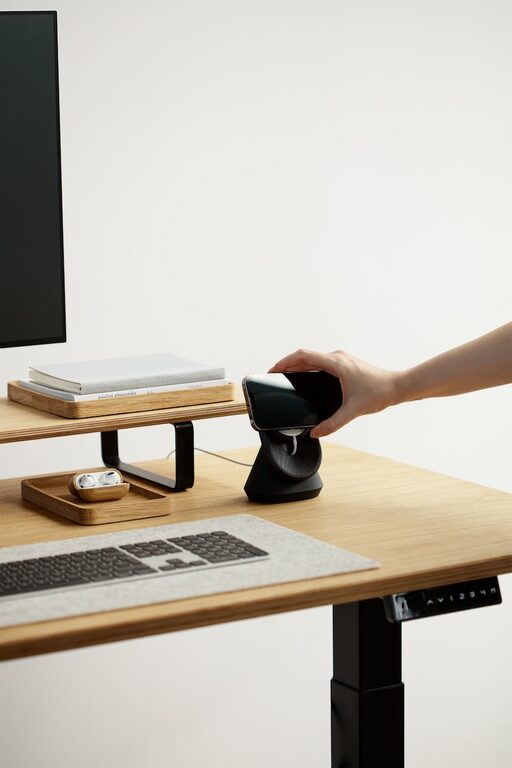
Your desk should have enough surface area for your computer, notebooks, and other essentials. If space is tight, consider a wall-mounted or foldable desk.
Include Storage Solutions
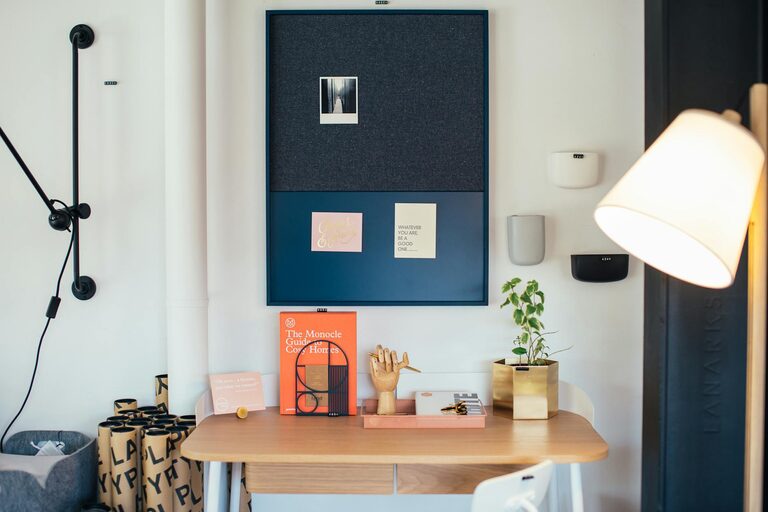
Shelves, drawers, and organizers keep your workspace tidy and items within reach.
Personalize Your Space
Add Comfortable Textiles
A soft rug, cushions, or a cozy throw can make your space feel welcoming and reduce noise.
Incorporate Greenery
Plants not only improve air quality but also add a lively touch to your workspace.
Use Calming Colors
Choose paint or accessories in soothing tones like blues, greens, or neutrals to create a relaxing atmosphere.
Optimize Layout and Organization
Keep Frequently Used Items Within Reach
Arrange your desk so essential tools are easily accessible, reducing unnecessary movement.
Cable Management
Use clips or sleeves to keep cords neat and prevent tangling.
Create Zones
Designate areas for different activities, such as computer work, writing, or reading. This separation helps you stay organized.
Technology and Accessories
Reliable Equipment
Ensure your computer, printer, and internet connection work smoothly to avoid interruptions.
Ergonomic Accessories
A keyboard and mouse that support natural wrist positions can prevent strain.
Proper Lighting
A desk lamp with adjustable brightness lets you customize lighting for different tasks.
Maintain Balance with Break Areas
If possible, have a small area nearby for short breaks. A comfortable chair or a window seat lets you relax and recharge.
Daily Habits for a Productive Workspace
Keep it Clean
Regularly clear your desk to avoid clutter buildup.
Personal Rituals
Incorporate small routines like lighting a candle or playing soft music to signal the start of work.
Conclusion
Designing a cozy and functional home workspace doesn’t require a big budget or extra space. With thoughtful planning and simple touches, you can create an environment that supports your work while making you feel comfortable and inspired. Start today by assessing your space and gradually adding these elements to boost your productivity and well-being.
About the Author